SOILCEA · TAMPA, FL

Making
Healthier
Plants

Soilcea’s new HLB-resistant citrus rootstock, CarriCea T1, will make oranges healthier, bring production back to America, lower the price of orange juice, and restore Florida’s iconic citrus industry.

  • U.S. Environmental Protection Agency
  • U.S. Department of Agriculture
  • National Science Foundation
  • University of Florida
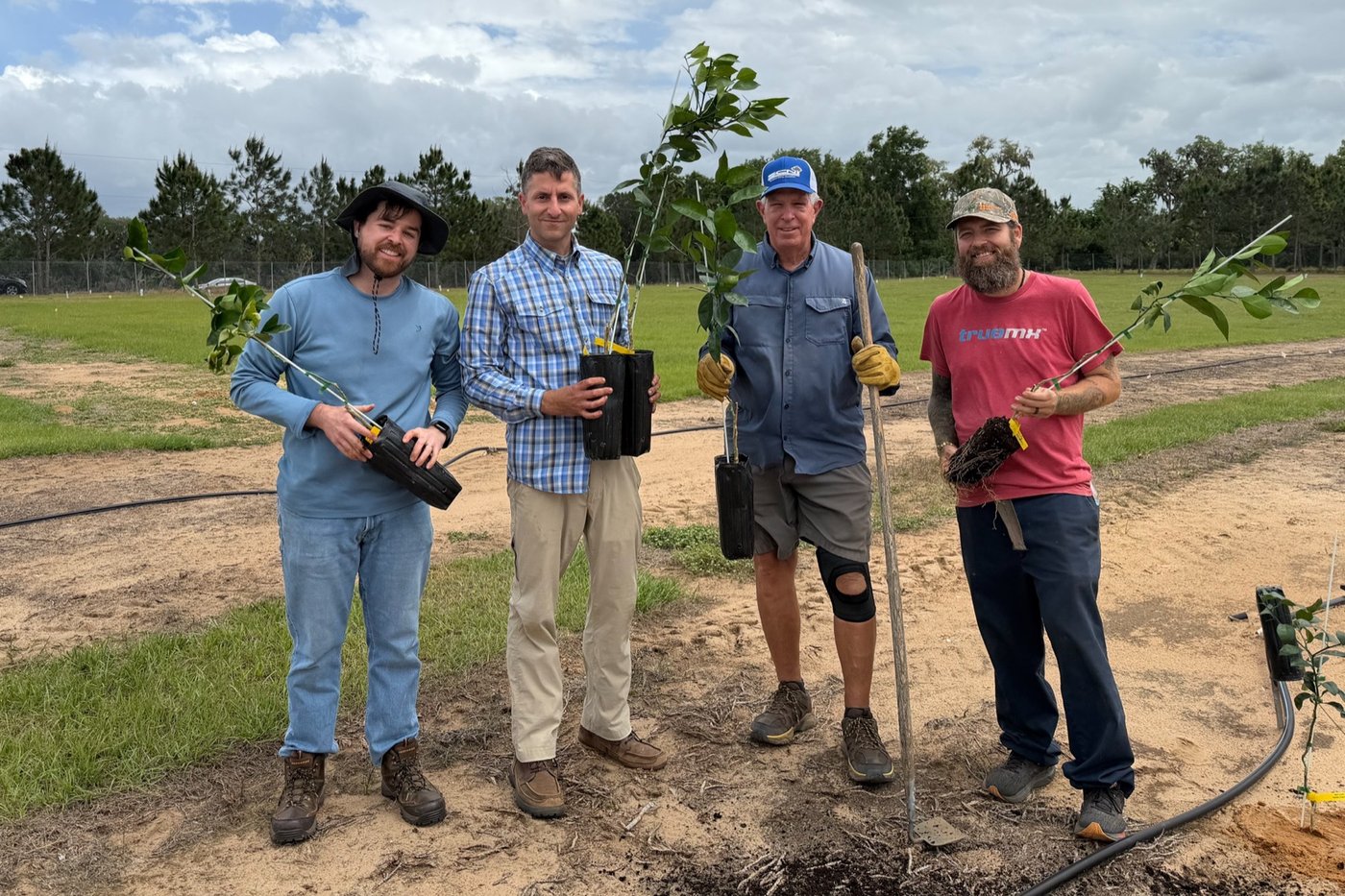
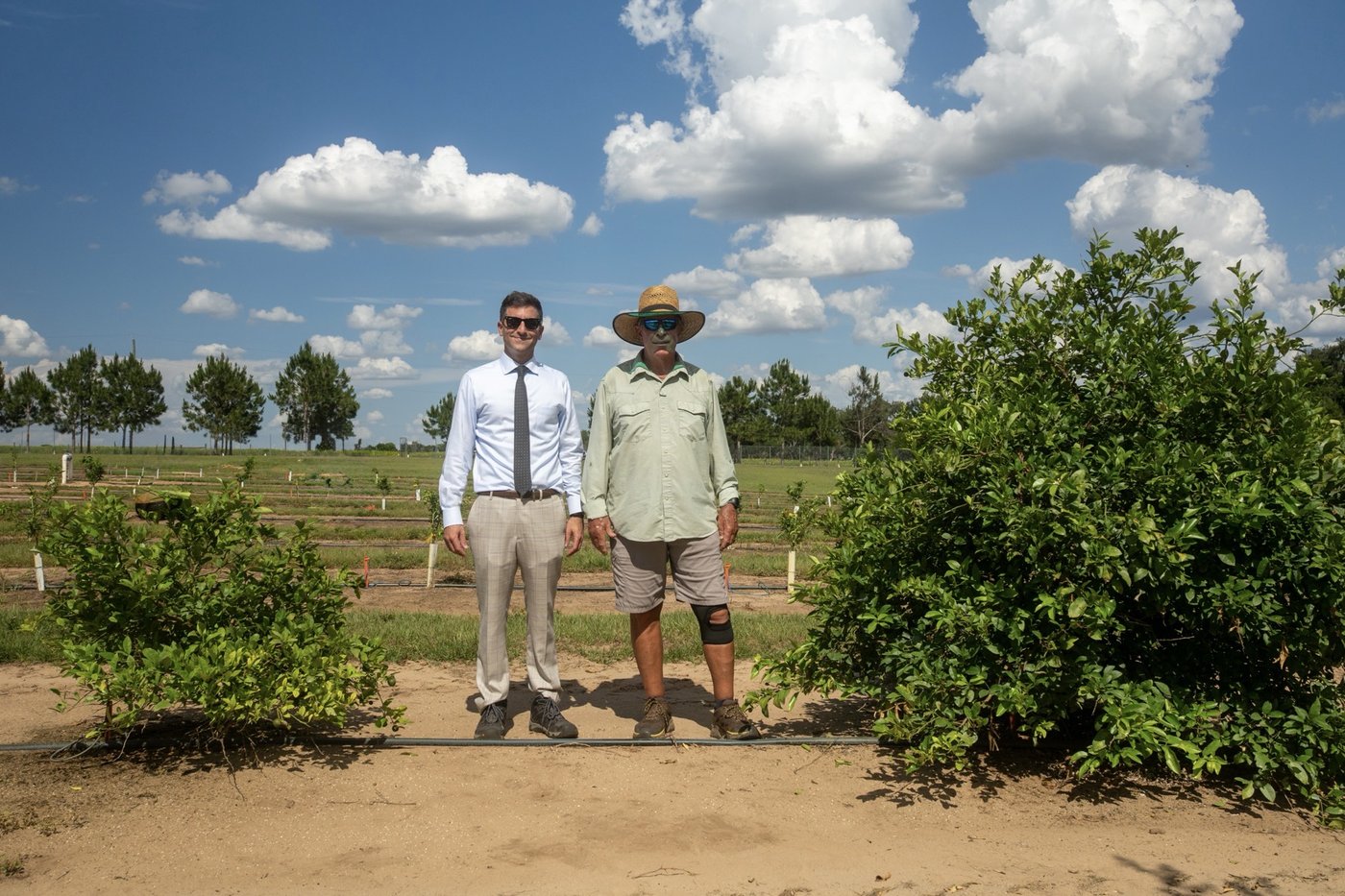
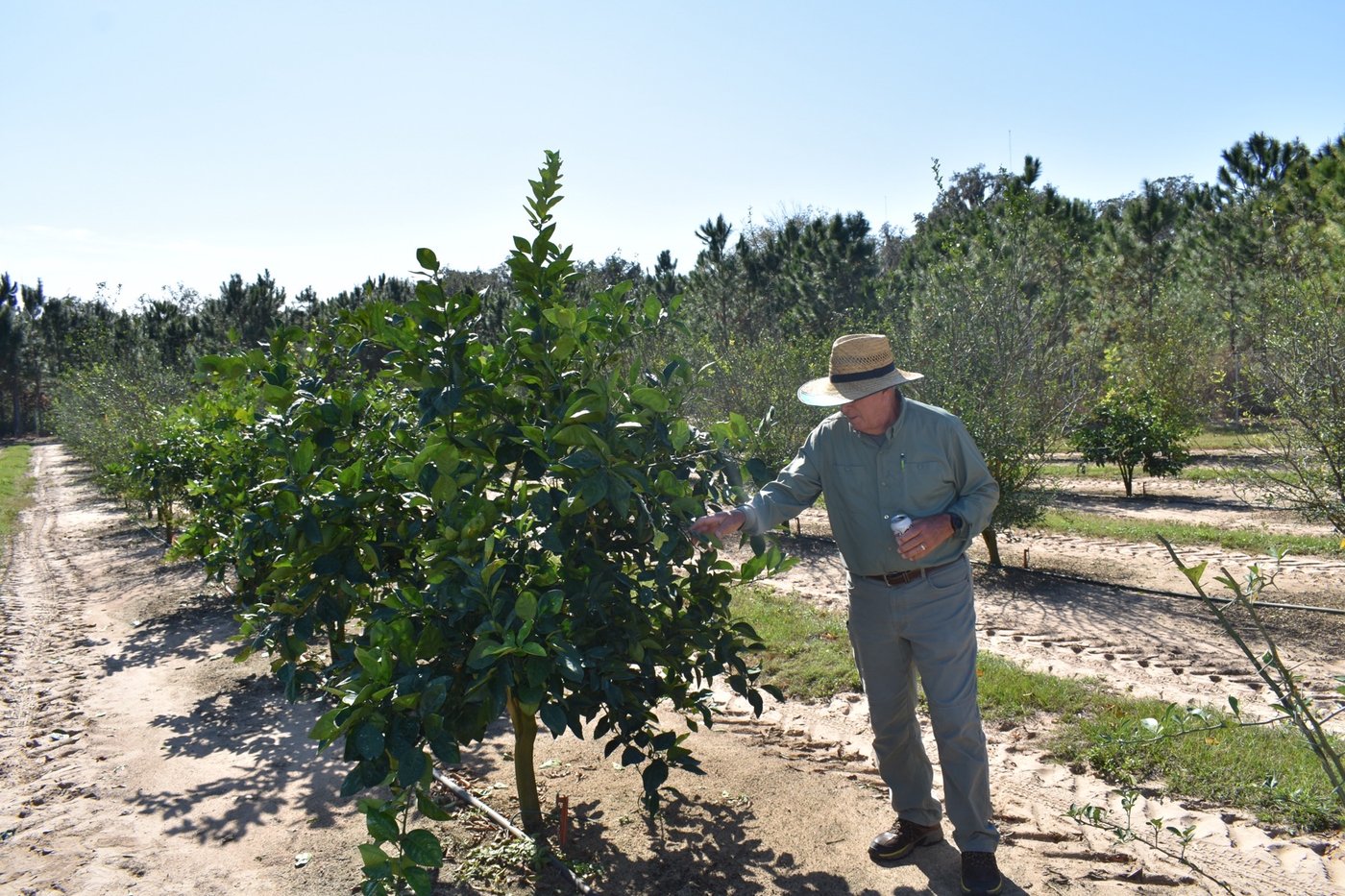
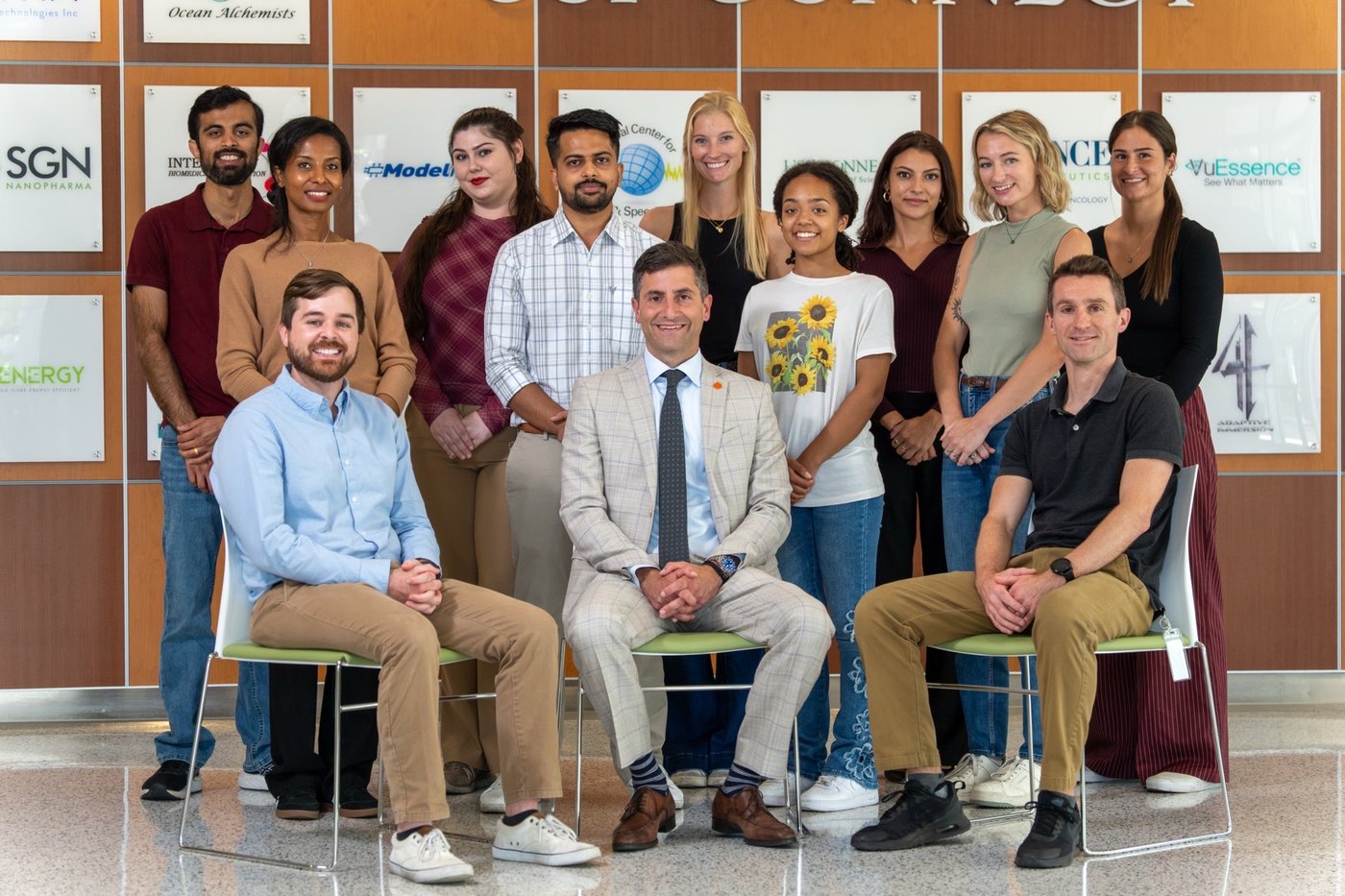
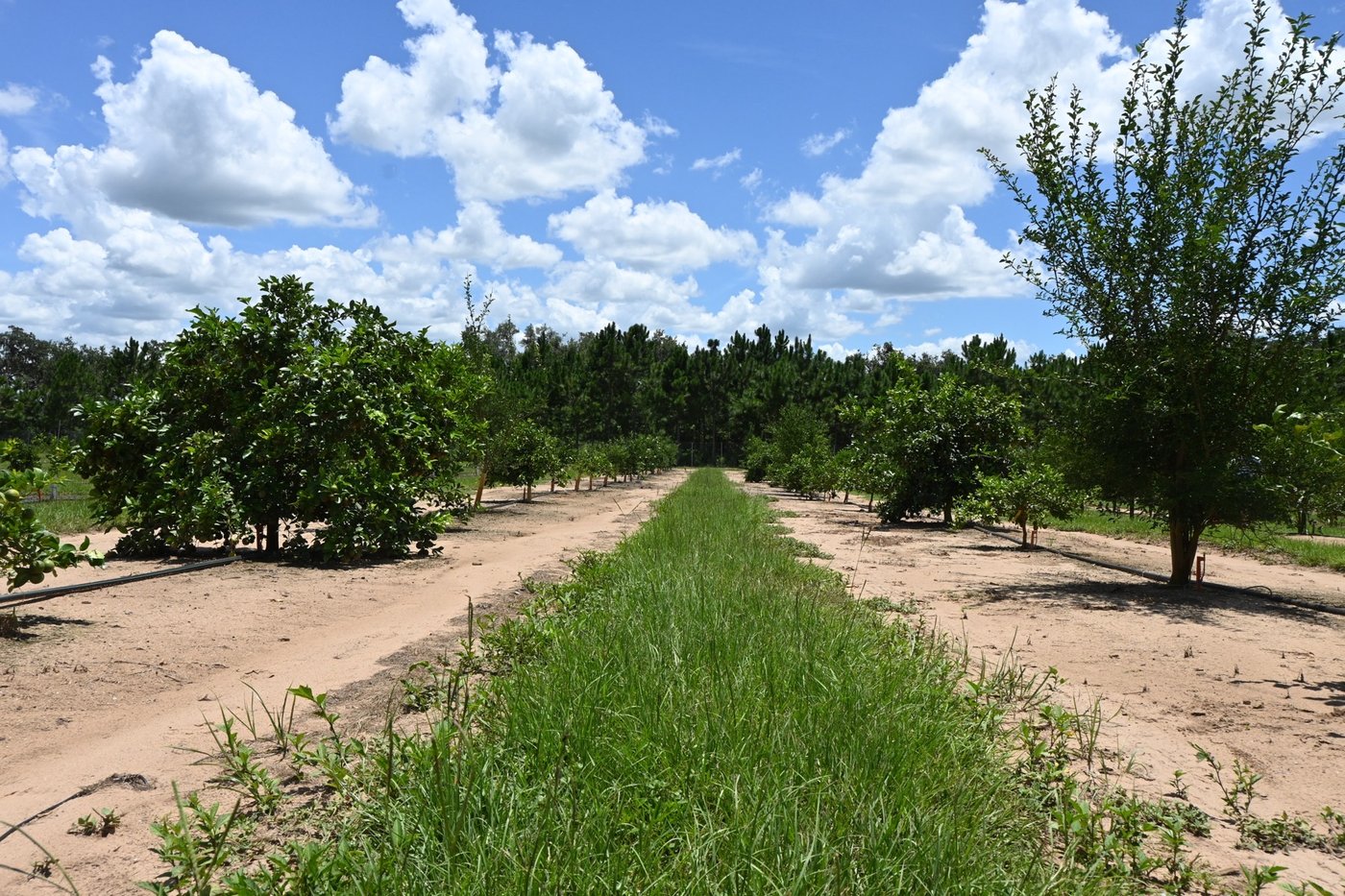
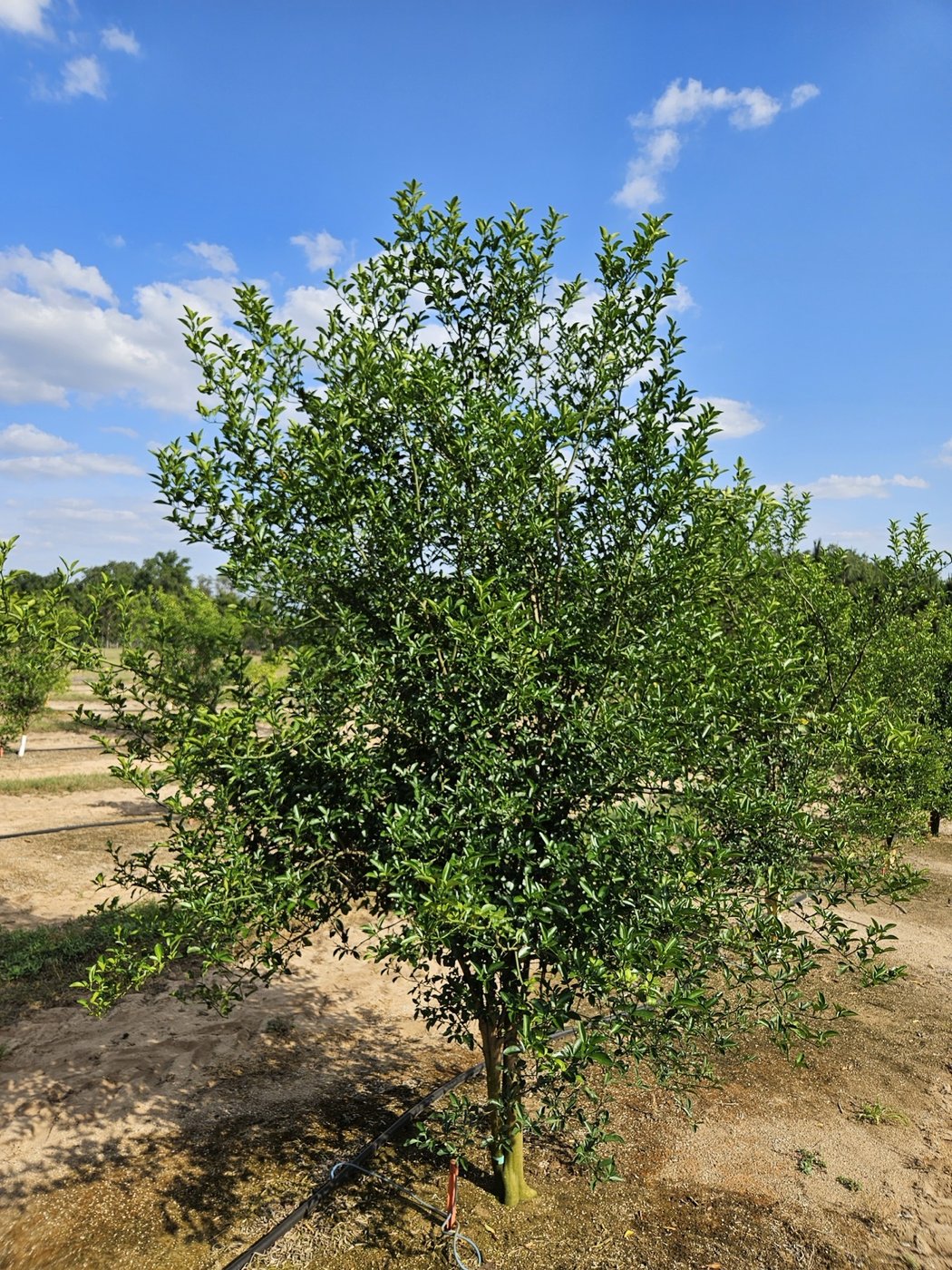
The Soilcea team in a Florida citrus grove. Yianni and Ron beside a control vs. CarriCea T1 tree in a grower field. Ron inspecting a CarriCea T1 tree. The full Soilcea team.

THE REALITY IN FLORIDA

Huanglongbing disease:
the cost of doing nothing.

  • 50Mtrees killed
  • 0effective cures before April 28, 2026
  • 47,000jobs lost
  • $76.5Bin lost economic impact
  • −95%box production since 2005

RUN YOUR NUMBERS

See the difference.

Estimate your potential benefit with CarriCea T1.

Adjust your inputs here

Annual benefit

$200,000/ year

Recovered yield
$175,000
Cost savings
$25,000

Lifetime benefit

$6,000,000total

Per acre
$60,000
Grove life
30 yrs

We do not currently have yield data. These are estimates based off of current HLB resistance testing.

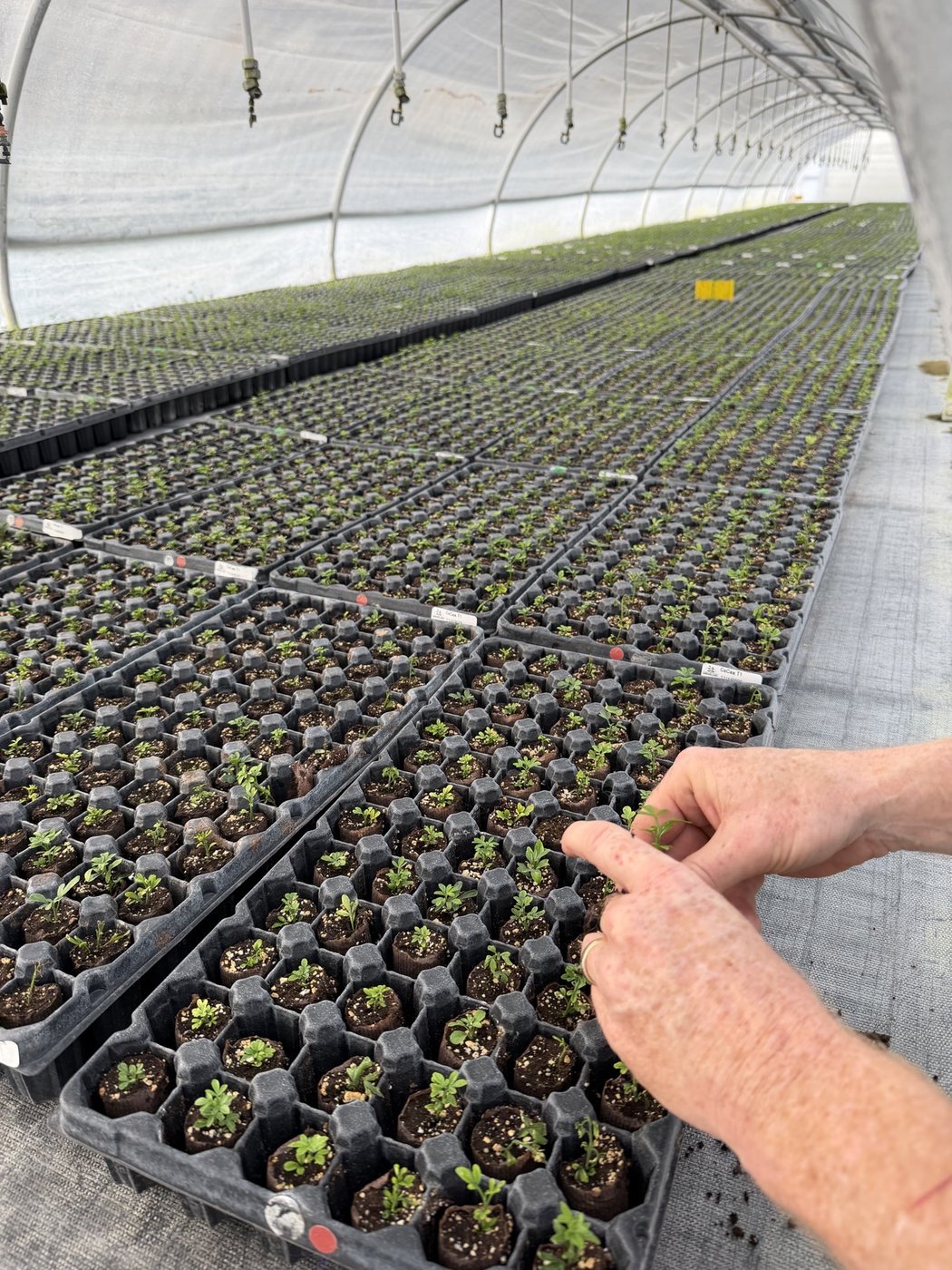
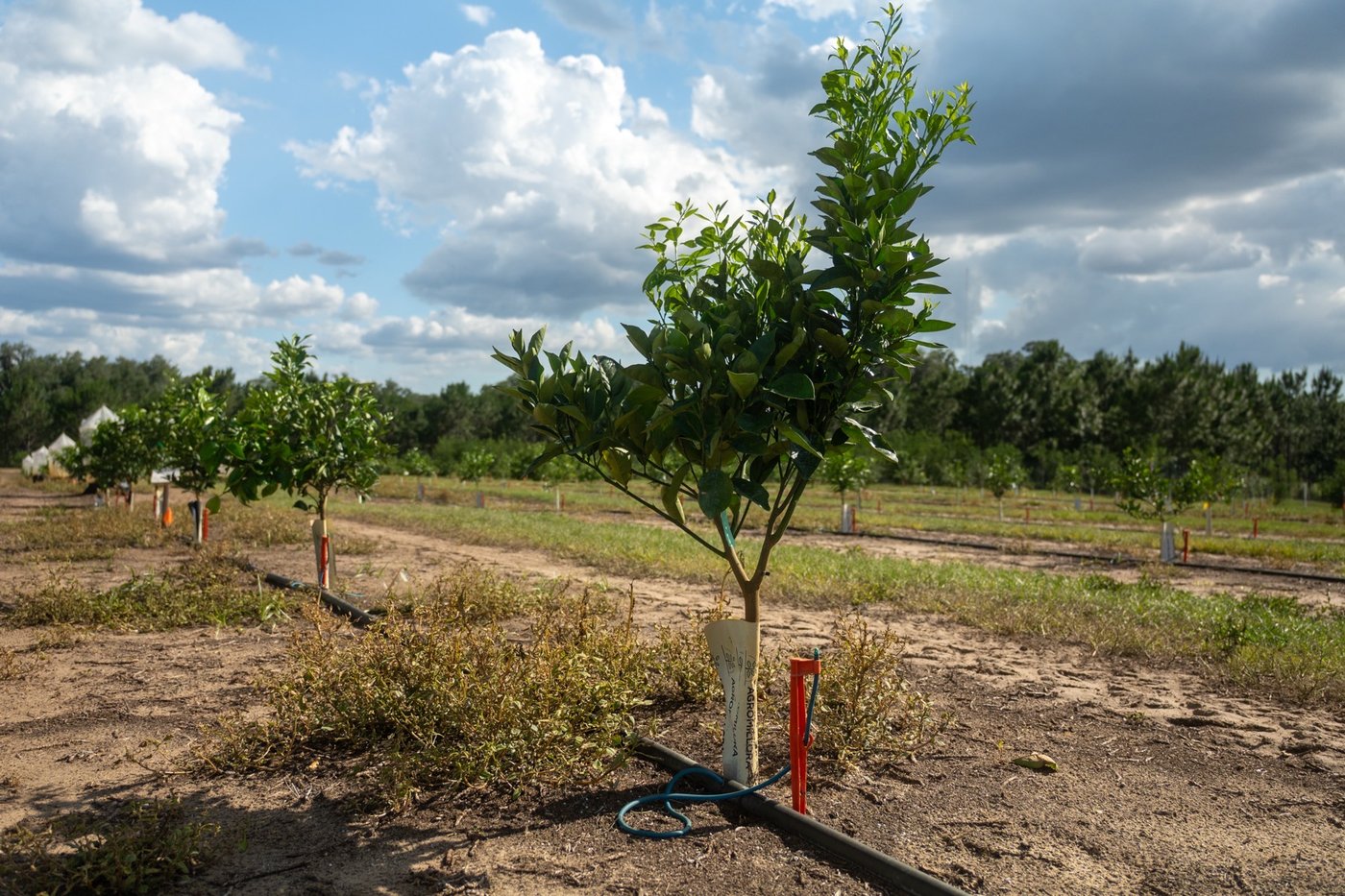
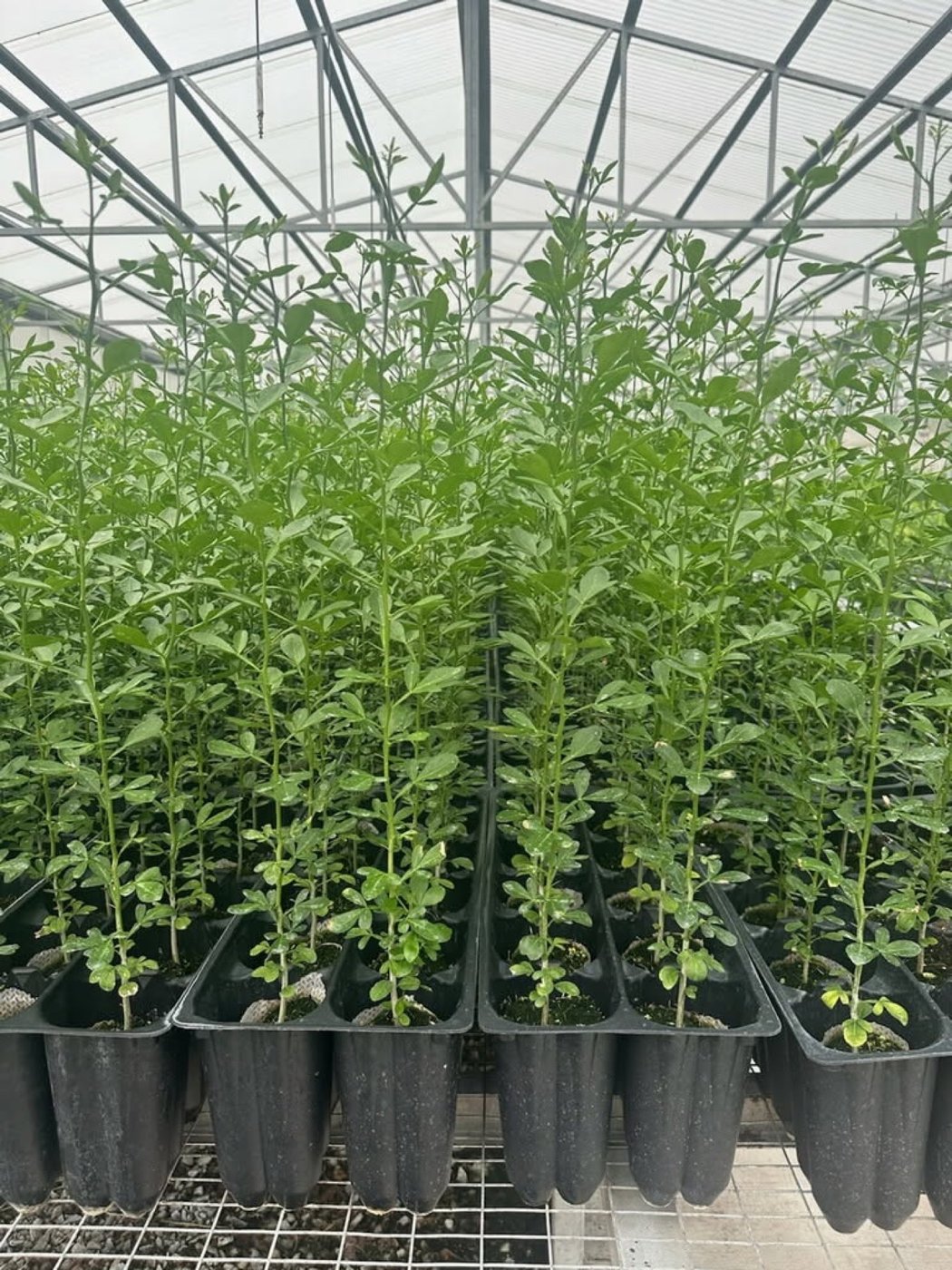
Thousands of CarriCea T1 rootstock plants in a Soilcea grow tent. Young CarriCea T1 trees planted in a row. CarriCea T1 plants growing in a greenhouse.
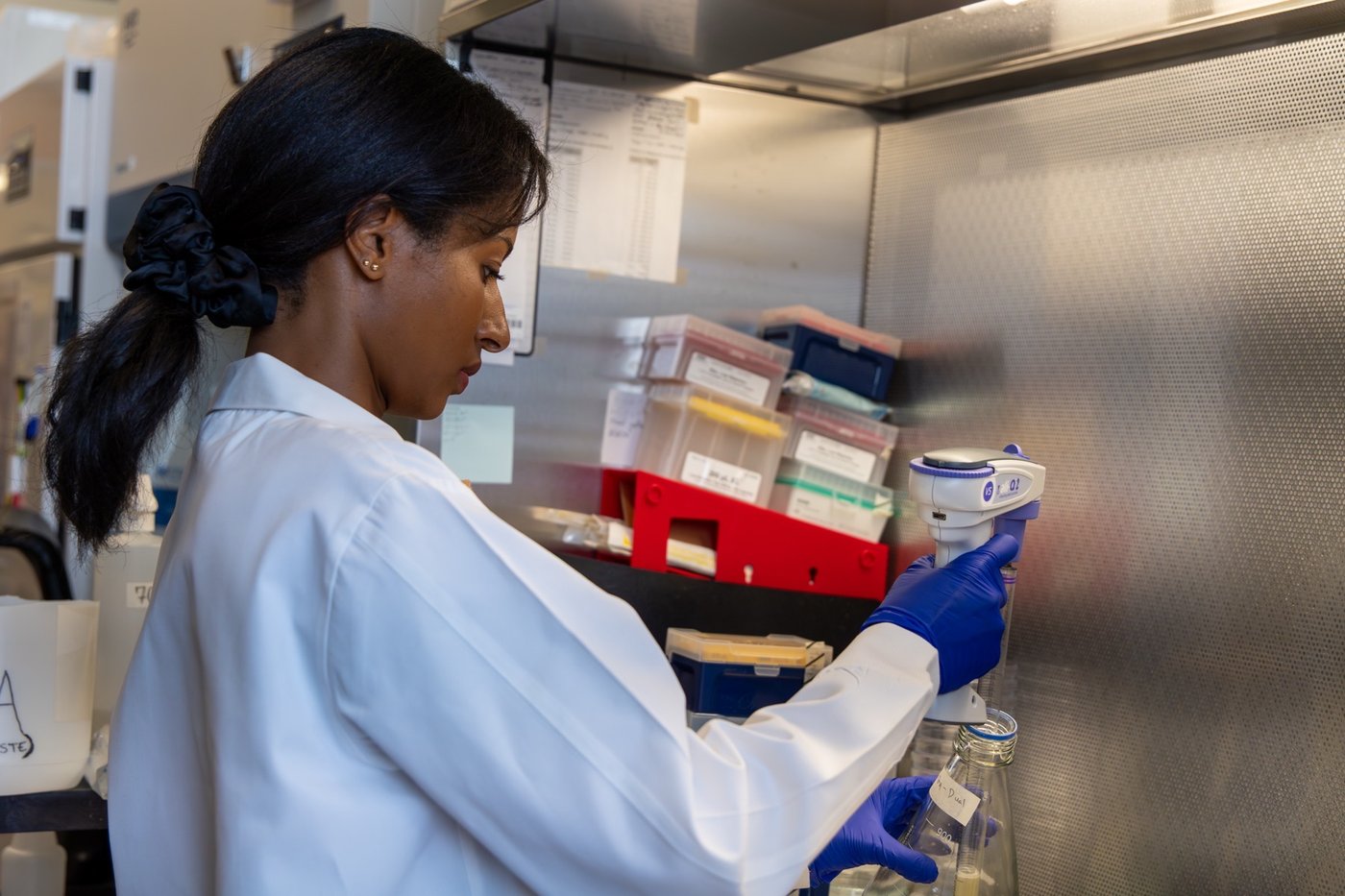
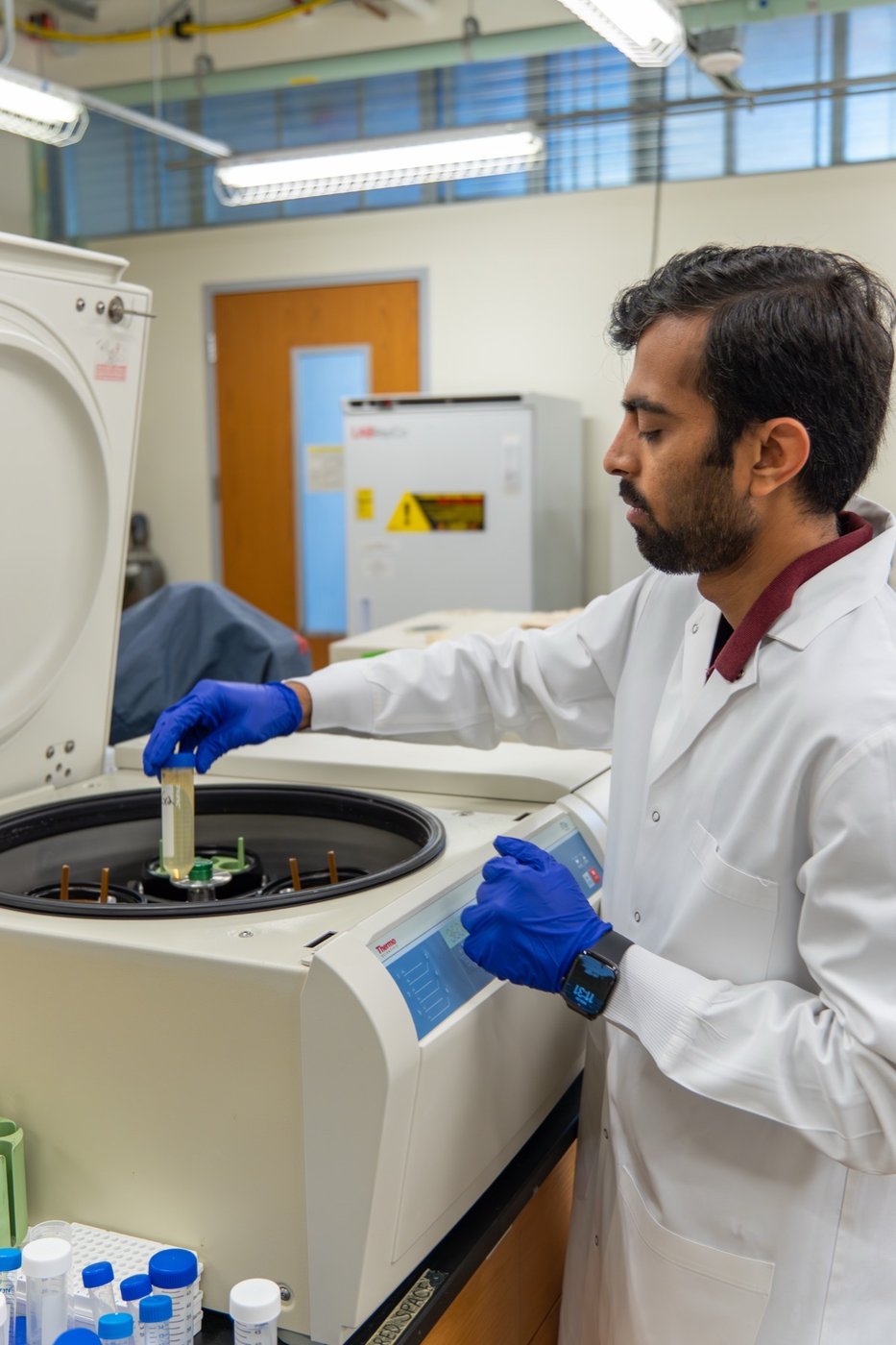
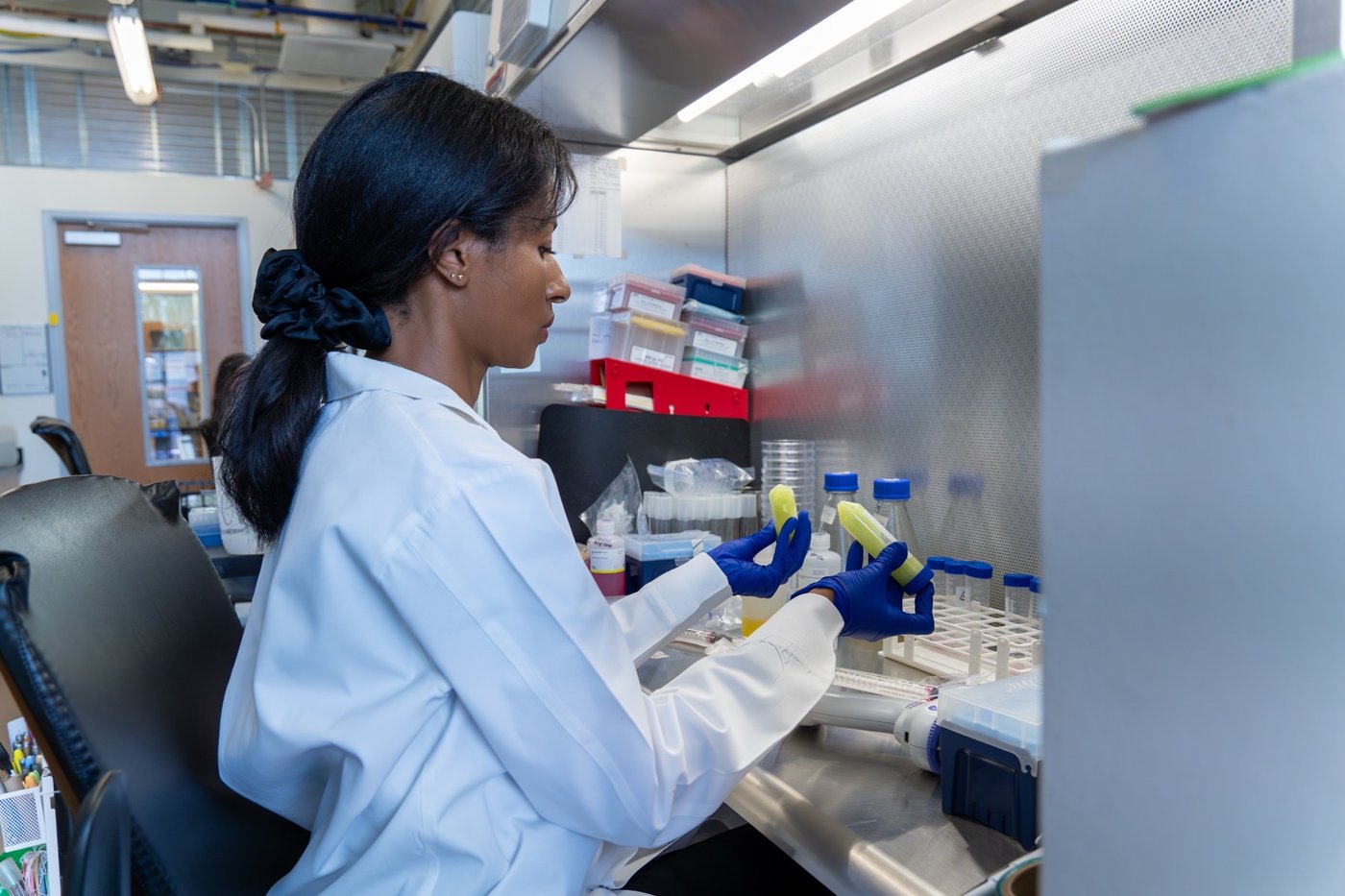
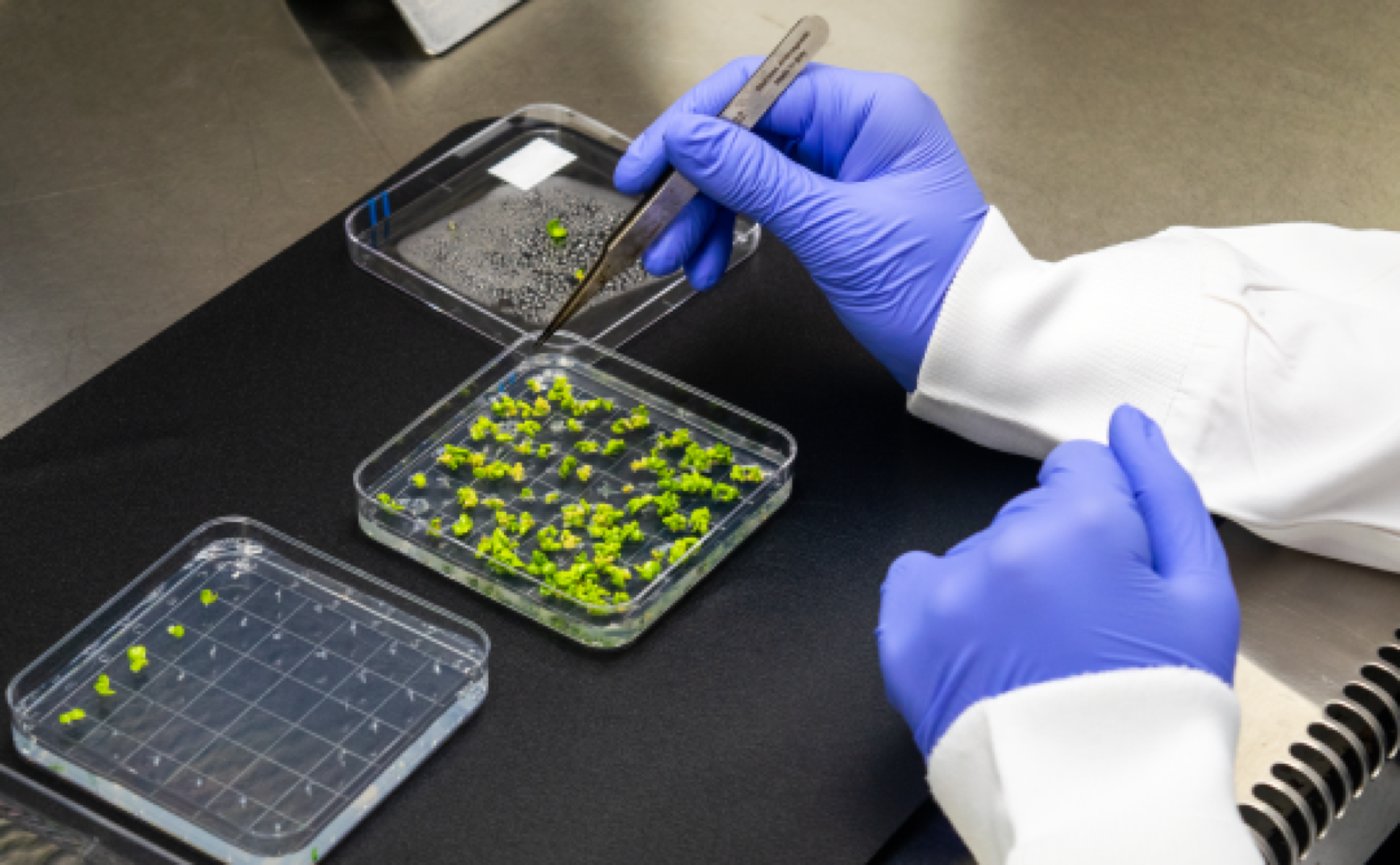
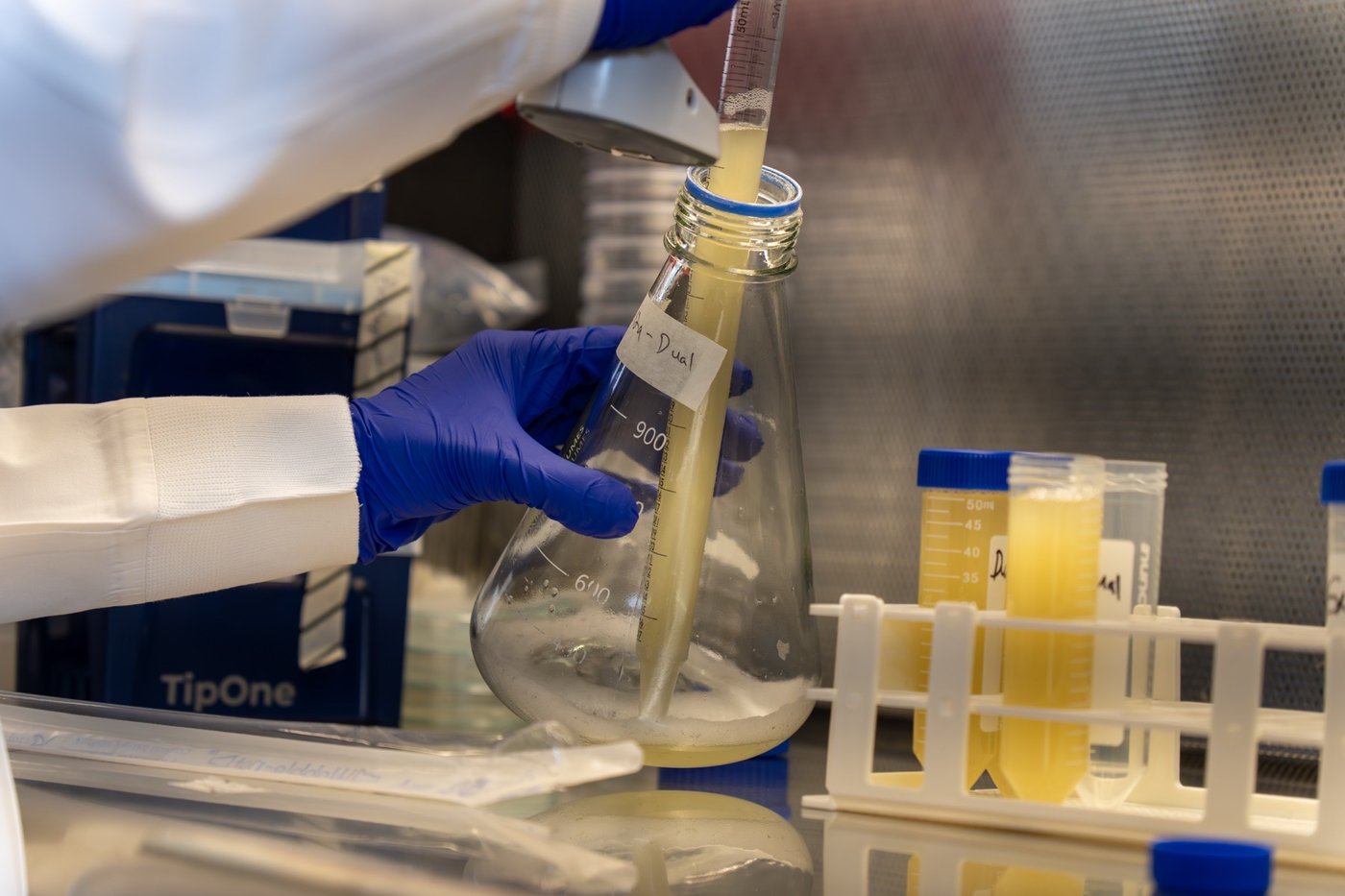
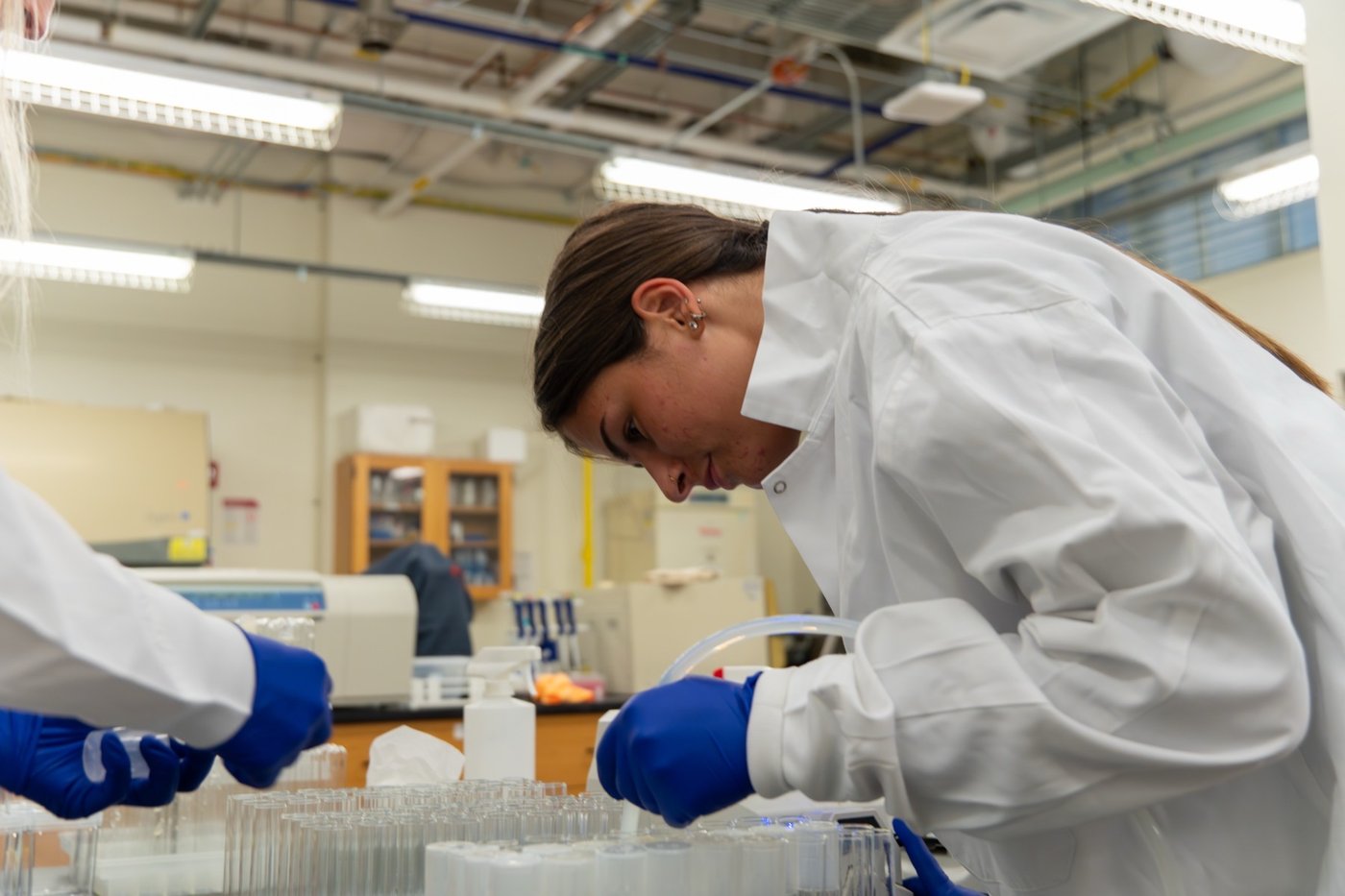
A Soilcea scientist filling a beaker in the lab. A Soilcea scientist loading a vial into a centrifuge. A Soilcea scientist holding sample vials.
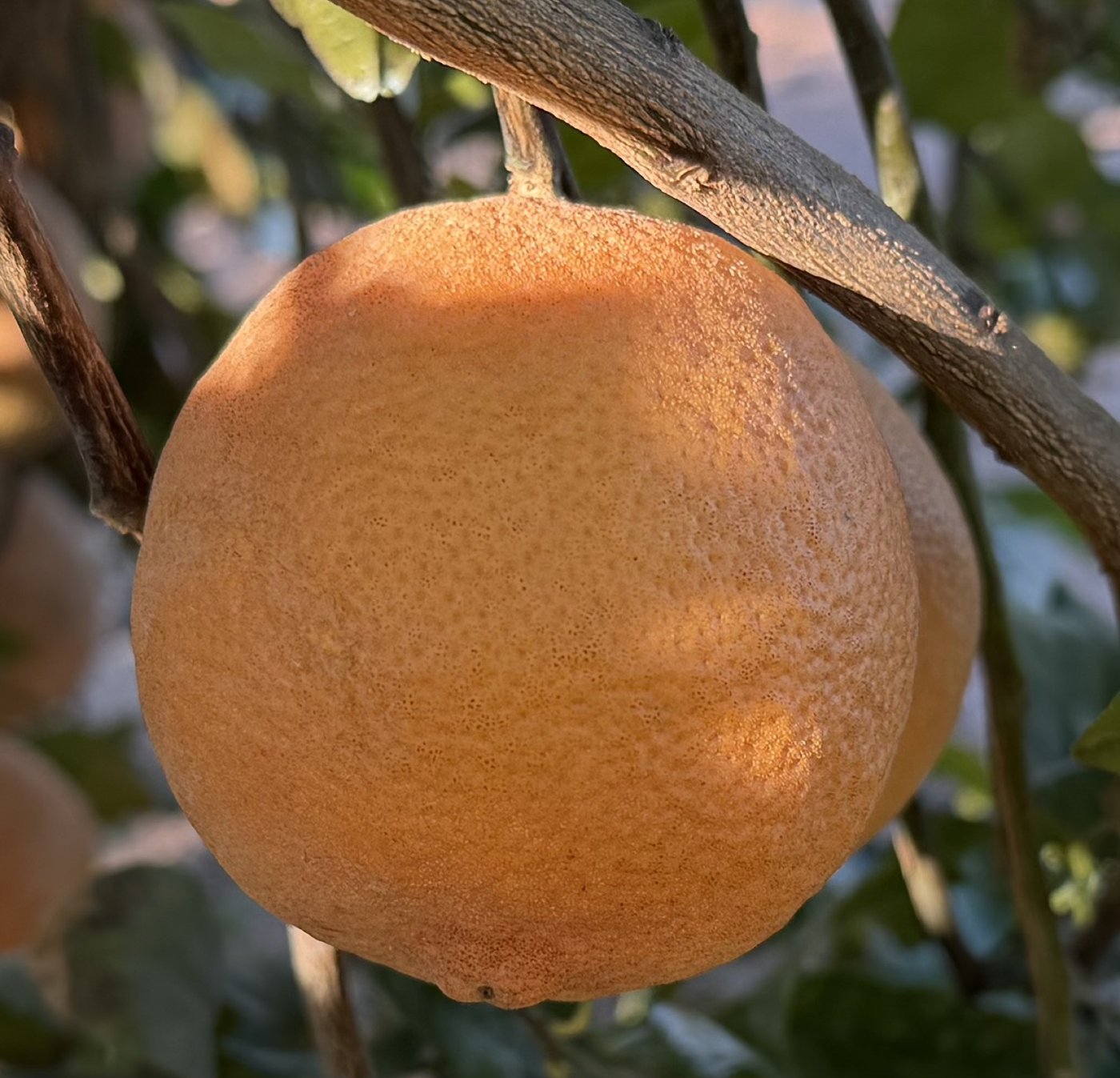
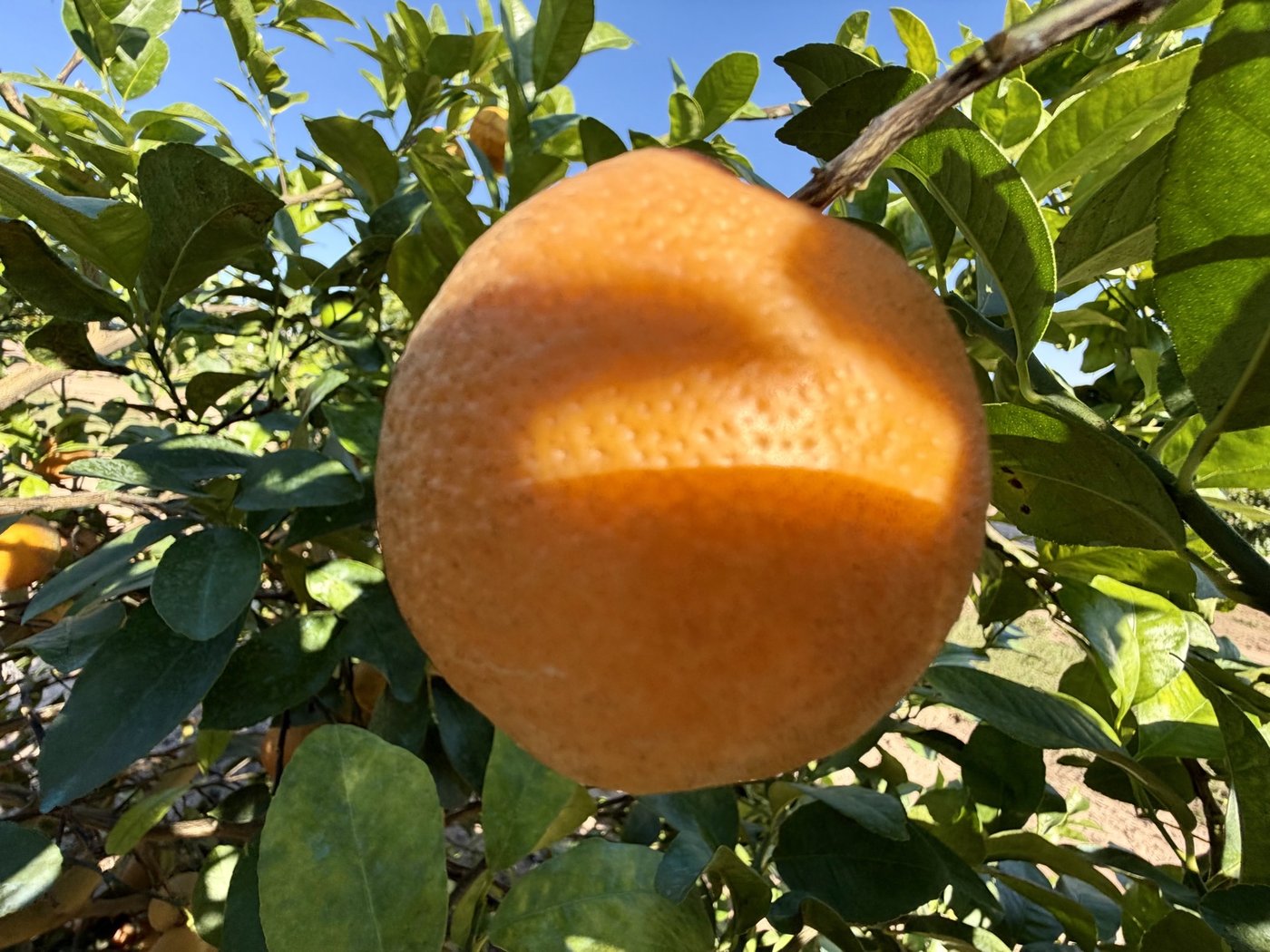
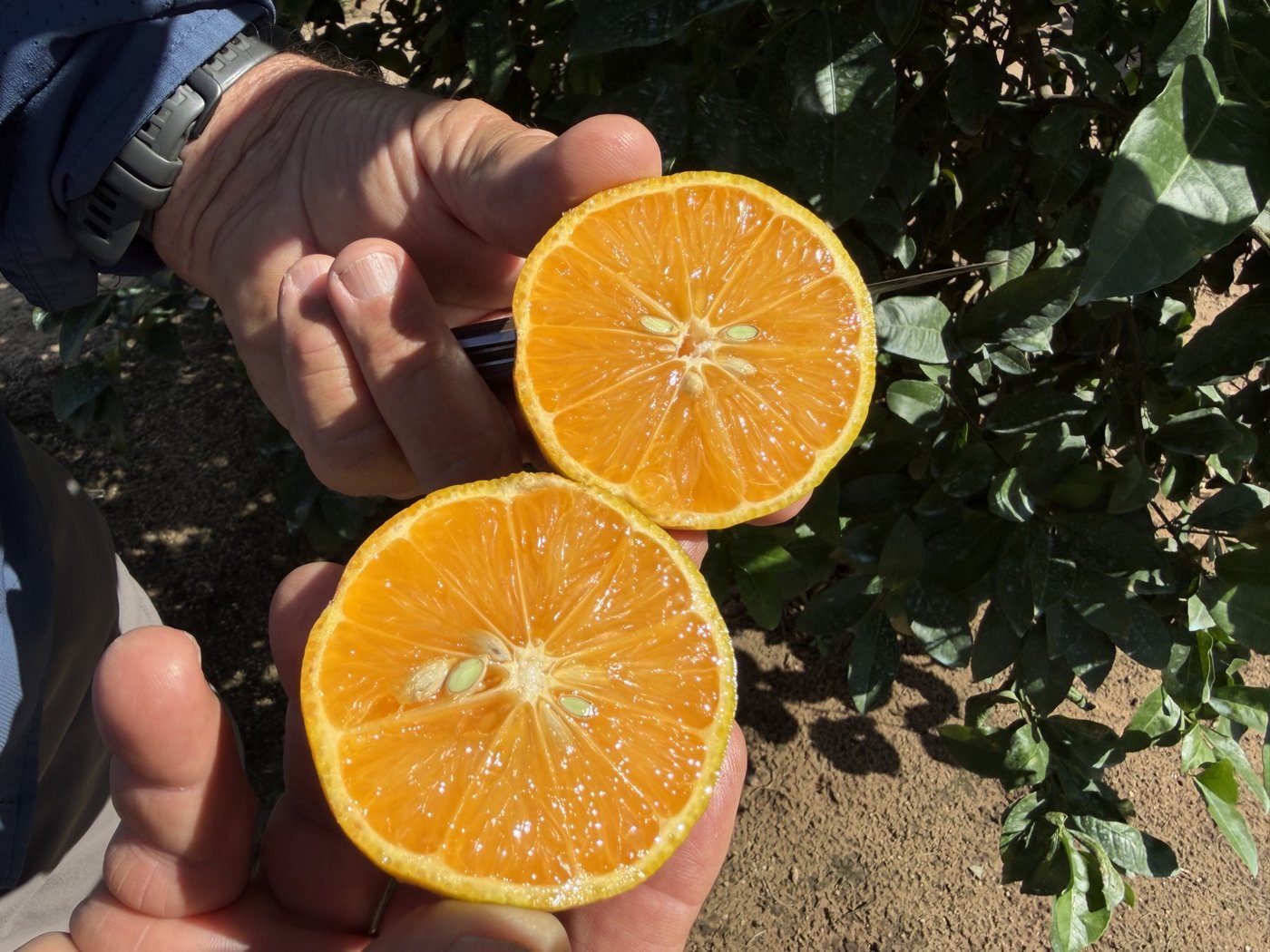
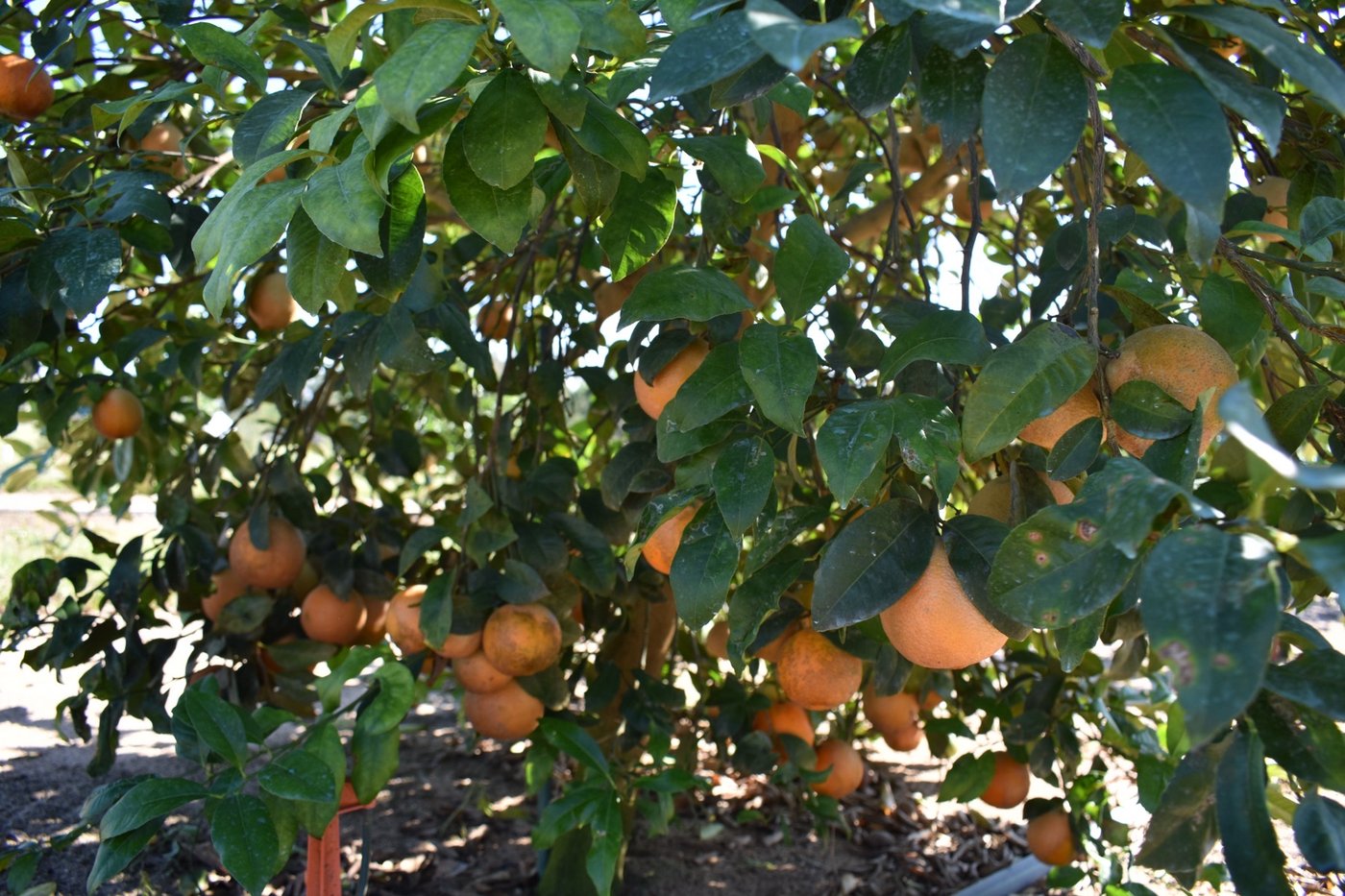
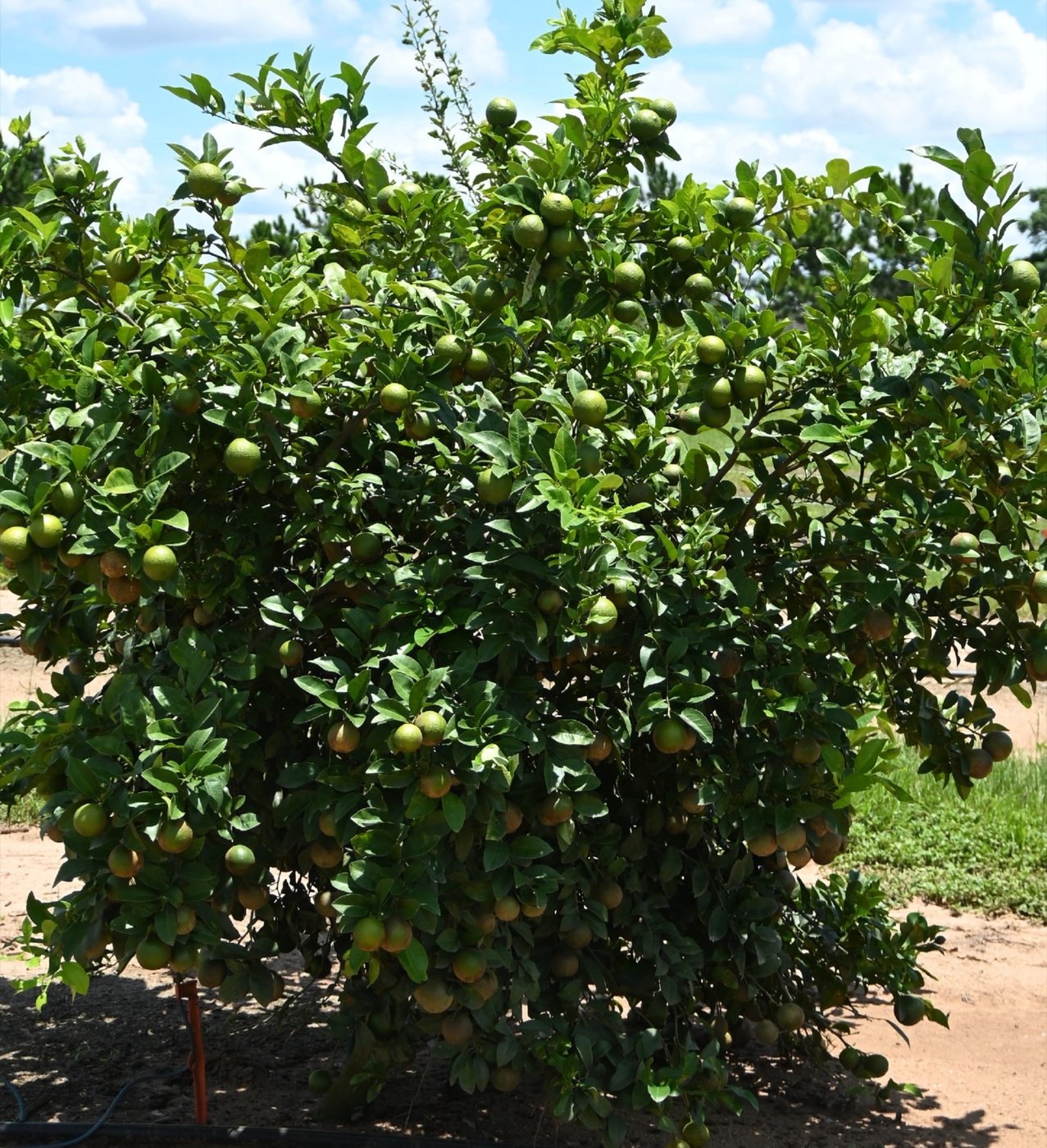
A super-juicy CarriCea T1 orange cut in half. A bumper crop of CarriCea T1 oranges. Fresh CarriCea T1 oranges. A CarriCea T1 tree heavy with fruit.
WATCH · PBS Inside the fight to save American citrus—and the science bringing it back.

PUBLICATIONS & PRESS

Backed by science. Recognized by industry.

Peer-reviewed research, federal grants, and trade press—the body of evidence behind CarriCea T1.

PRESS RELEASE Apr 28, 2026

Bringing Back Florida Citrus: EPA approves Soilcea’s HLB-resistant rootstock

Soilcea’s CarriCea T1 and BeneCea D1 were developed with funding from USDA and NSF, in partnership with Dr. Nian Wang’s lab. 300,000 trees have been ordered by Florida growers.

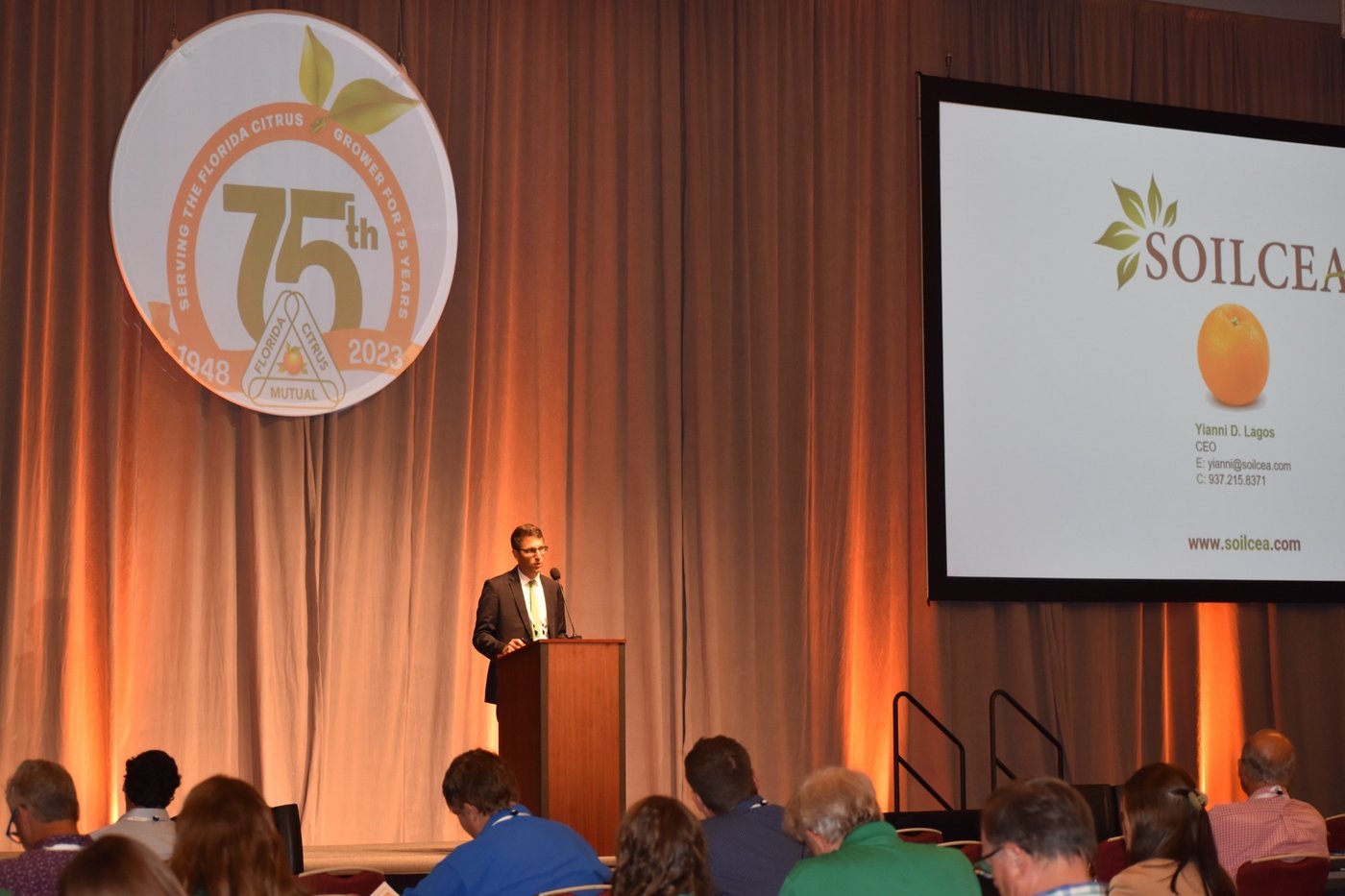
Yianni Lagos presenting Soilcea’s CarriCea T1 to growers and industry partners.
Yianni Lagos presents CarriCea T1 to growers and industry partners.
EPA · PRESS Apr 28, 2026

New Citrus Tool to Help Prevent Widespread Loss of Citrus Crops

EPA approves CarriCea T1—a precision-bred citrus rootstock that strengthens trees’ natural defenses against citrus greening and cuts pesticide reliance.

Read the release
USDA APHIS June 30, 2026

USDA Deregulates Citrus Greening Disease-Resistant Carrizo Rootstock

The USDA animal and plant health inspection service is deregulating Soil Culture Solutions' (Soilcea), CarriCea Carrizo citrus rootstock.

Read article
CENTRAL FL AG NEWS Apr 28, 2026

EPA Approves Soilcea Rootstock Designed to Tolerate Greening

UF-developed CarriCea T1 wins EPA approval, giving Florida growers a new tool against the disease that has gripped the industry since 2005.

Read article
CITRUS INDUSTRY Apr 29, 2026

CarriCea Rootstock Registration Is ‘a Major Milestone’

Industry leaders call the EPA registration of Soilcea’s CarriCea T1 a major milestone for Florida’s citrus recovery.

Read article
U.S. SENATE Apr 30, 2026

Sen. Moody Welcomes EPA Approval of Anti-Greening Treatment

Senator Ashley Moody praises EPA approval of CarriCea T1, the rootstock built to help Florida growers fight citrus greening.

Read release
CITROGRAPH · CRB Summer 2026

CarriCea T1 in Citrograph—Citrus Research Board

The Citrus Research Board’s Citrograph magazine features CarriCea T1, opens to the Soilcea feature on page 68.

Open the feature
USDA APHIS Program update

APHIS Issues Regulatory Status Review Responses (Soilcea, Pioneer)

USDA APHIS regulatory status review confirms Soilcea’s breeding approach.

Read program update
USDA GRANT ECDRE Program

USDA Emergency Citrus Disease Research and Extension Program

Multiplexing CRISPR-mediated breeding of HLB-resistant citrus varieties targeting <em>Candidatus</em> Liberibacter asiaticus effector interactomes.

View project
USDA GRANT HLB-MAC

USDA HLB Multi-Agency Coordination (MAC) Group

HLB-MAC FY23 funded projects supporting research and grower response to citrus greening.

View funded projects
USDA SBIR Phase II

USDA SBIR Phase II—Effector interactome by proximity labeling

USDA Small Business Innovation Research Phase II project funding Soilcea’s deep-science work on citrus disease resistance.

View grant
CITRUS INDUSTRY Nov 15, 2022

CRISPR Research Update for HLB and Canker

Citrus Industry Magazine update on CRISPR-based research targeting HLB and citrus canker.

Read article
AIChE / CEP July 2022

Gene Editing Promises New Disease-Resistant Citrus Trees

Chemical Engineering Progress feature on Soilcea’s commercialization of CRISPR-edited citrus rootstock.

Read feature
NSF GRANT Award 2126741

NSF SBIR Phase II

National Science Foundation Small Business Innovation Research Phase II grant supporting scaled production of Soilcea’s HLB-resistant rootstock.

View award
UF INNOVATE Jan 22, 2019

Cade Prize Winner—boosting Florida orange groves

University of Florida’s Cade Prize for Innovation recognizes Soilcea’s mission to revive Florida’s citrus industry.

Read announcement

THE JOURNEY

Decades in the making.

From inception to a commercial release—every step taken with care.

  1. Asian citrus psyllid—the insect that spreads HLB. Dr. Nian Wang, who began the HLB research behind CarriCea T1.

    2008

    The Start

    Dr. Nian Wang is recruited to the UF Citrus Research & Education Center to take on HLB.

  2. Soilcea team seeding in-lab Early lab work at Soilcea.

    2014

    Soilcea Is Born

    Soilcea is founded by Yianni Lagos and Chana Cannon to take on citrus greening at its root.

  3. Plants in greenhouse Thousands of small rootstock plants in a grow tent. Lab work advancing the CRISPR program.

    2018

    First CRISPR Trees

    The first successful CRISPR-edited citrus trees take root.

  4. Young CarriCea T1 trees planted in a field trial. A wide view of a Florida citrus field. Ron inspecting a CarriCea T1 tree in the field.

    2023

    Field Trial Planted

    The first commercial-scale field trial goes in the ground.

  5. Fresh CarriCea T1 oranges. A bumper crop of CarriCea T1 oranges. A CarriCea T1 tree heavy with fruit. A large healthy CarriCea T1 tree.

    2026

    Commercially Available

    CarriCea T1 ships to Florida growers—order yours this season.

THE TEAM

Built by people who love oranges.

Soilcea—a grafted union of Soil + Panacea, the Greek word for “cure-all”—is led by scientists and growers with deep roots in agriculture.

…and the scientists, growers, and operators behind every tree. Tap any face to read their bio.

Schedule a
field visit.

Come see CarriCea T1 in the grove. Tell us about your operation and we’ll set up a visit—grower resources are yours to download above, no sign-up required.

FREQUENTLY ASKED QUESTIONS

Questions we’ve received from growers.

What is the CarriCea T1?

CarriCea T1 is a new citrus rootstock developed using CRISPR to make a traditional Carrizo more resistant to HLB. Key highlights include:

  • Carrizo rootstock with improved resistance to HLB
  • T for triple or three precise CRISPR edits
  • Restores the tree’s natural defenses
  • Demonstrates significantly reduced disease levels and vigorous growth in the field
  • The resulting fruit is classified as non-bioengineered by the USDA
  • Backed by University of Florida research, USDA funding, and NSF funding
What is the BeneCea D1?

BeneCea D1 is a new citrus rootstock developed using CRISPR to make a traditional US-812 more resistant to HLB. Key highlights include:

  • US-812 rootstock with improved resistance to HLB
  • D for double or two precise CRISPR edits
  • Not yet field tested
  • The resulting fruit is classified as non-bioengineered by the USDA
What is CRISPR?

CRISPR stands for Clustered Regularly Interspaced Short Palindromic Repeats, which does little to explain its use as a tool for breeding. Over billions of years, bacteria have developed sophisticated molecular tools—far superior to any man-made inventions—to protect against invading pathogens. Researchers have adapted the CRISPR tool to improve plants. The cutting tool in the CRISPR system, the Cas9 (CRISPR-associated protein 9), performs an extremely precise cut that makes CRISPR editing one of the most versatile tools for breeding new resistant citrus cultivars. Rather than introducing foreign traits, CRISPR can restore the plant’s existing biological defenses to create healthier citrus.

How big of a problem is HLB?

CarriCea T1 was developed to help growers manage HLB.

HLB Economic Impact:

Huanglongbing (HLB), or Citrus greening, directly translates from Chinese to “Yellow Dragon Disease.”

  • HLB has killed 50 million trees, led to the loss of 47,000 jobs, resulted in an estimated $76.5 billion in lost economic impact, and slashed Florida citrus production by a staggering 95%—from 291.8 million boxes to 14.6 million boxes
  • 80% of orange juice is imported (Florida used to account for 23% of the global citrus trade)
Is the fruit GMO or non-GMO?

The fruit is considered non-transgenic because it contains no foreign DNA, which classifies it as non-GMO (Genetically Modified Organism). The USDA doesn’t make that distinction, but instead uses the term non-bioengineered. The USDA classified the fruit from normal scions grafted on the CarriCea T1 as non-bioengineered. In a letter of support submitted on behalf of the USDA for Soilcea’s HLB resistant Carrizo rootstock it was stated that “USDA notes that a key citrus industry marketing benefit of this gene-edited loss of function approach is that it will result in no use or production of recombinant DNA in trees. This means that fruit grown from trees on these rootstocks (and processed products using these fruit) will not require USDA ‘bioengineering’ labeling.”

What is the regulatory status of CarriCea T1?

The “U.S. Environmental Protection Agency (EPA) approved CarriCea T1.” “EPA conducted a robust dietary safety assessment under its existing regulatory framework for plant-incorporated protectants to ensure that the registration decision is protective. This includes residues from both the registered pesticide and any breakdown products.” The United States Department of Agriculture-Animal and Plant Health Inspection Service (USDA-APHIS) has determined nonregulated status for the CarriCea T1 rootstock. “The fruit produced from CarriCea T1 rootstock will be indistinguishable from those using other rootstock varieties.”

What is the regulatory status of BeneCea D1?

BeneCea D1, Soilcea’s CRISPR-edited US-812 rootstock, is not registered but currently in the regulatory review process with the relevant regulatory agencies. Soilcea continues to work closely with regulators to support the review and authorization process.

What is the consumer perception of CRISPR-edited citrus?

During two EPA public comment periods and one USDA public comment period, there were ZERO negative comments objecting to the approval of the CarriCea T1 rootstock, and there were a total of 64 positive comments.

Who do I contact to reserve HLB resistant rootstocks?

Trees can be reserved by emailing yianni@soilcea.com or through Soilcea’s website; soilcea.com, as well as with authorized nurseries such as Agromillora Florida, Brite Leaf Citrus Nursery, W.E. Green and Sons, Southern Citrus Nurseries, CitriSun, Propagations Unlimited, Phillip Rucks Nursery.

How does CarriCea T1 work?

Huanglongbing (HLB) is spread by the Asian Citrus Psyllid, which transmits the bacterial pathogen Candidatus Liberibacter asiaticus (CLas). CLas secretes effector proteins that disrupt the citrus tree's natural cell death defense pathway by upregulating negative regulators (ACD2 and Lls1) and suppressing gene activity but not expression of another cell death and defense-related protein (PLCP).

The CarriCea T1 citrus plant resists CLas by targeting the effector interacting proteins–ACD2 and Lls1–preventing the suppression of the defense response and restoring proper cell death signaling. Additionally, interrupting the effector interacting protein–PLCP–prevents the suppression of the paralogous PLCP gene expression and activity in the plant, enhancing resistance and mitigating disease. These combined changes enable the tree to defend itself and reduce HLB infection. The CarriCea T1 started from a Carrizo citrange rootstock variety that is a hybrid of Citrus sinensis 'Washington' sweet orange X Poncirus trifoliata.

How does BeneCea D1 work?

The BeneCea D1 citrus plant resists CLas by editing two HLB susceptibility genes to restore the tree’s natural defense. The BeneCea D1 started from a US-812 rootstock variety that is a hybrid of C. reticulata 'Sunki' X P. trifoliata 'Benecke'.

Do CarriCea T1 and BeneCea D1 eliminate HLB?

No. CarriCea T1 is showing strong resistance to HLB, but not complete immunity. There is still CLas bacteria surviving in the CarriCea T1 rootstock, but at much lower levels than control trees (traditional trees). The BeneCea D1 has not been tested yet.

What is the economic impact of HLB to growers?

Over the past two decades, orange yields per acre in Florida have declined by 84%, mirroring the spread of HLB. In the 2024-2025 season, only 167,400 bearing acres of oranges remain in Florida, with a projected production of 12.2 million boxes, an average of 72 boxes per acre (USDA-NASS, 2025). This represents a dramatic contraction from the 2003-2004 season, where 564,800 acres produced 242 million boxes, an average of 428 boxes per acre (FASS-USDA, 2007).

In addition to the per acre yield reduction, production costs have also increased due to HLB. The nominal cost increase to manage HLB is $995 per acre, and the real cost to manage HLB “in Florida is estimated to be $663 per acre, which represents a 67% increase compared to pre-HLB levels” (Singerman, 2019). Growers are spending $1,859.90 in production costs per acre (Singerman, 2022). Most of that increase is due to foliar sprays of pesticides and fertilizers, both of which have detrimental environmental effects (Singerman, 2022). That production cost compares to a revenue of $957.90 at $13.30 per box (USDA-NASS, 2025). On average, citrus growers are losing $902 per acre.


Will CarriCea T1 replace pesticide applications?

CarriCea T1 may help reduce reliance on certain conventional pesticide applications, but it is not intended to eliminate pest management programs entirely. In Soilcea’s initial field trial, our desire to spray less pesticides on the psyllids has led to damage from leaf miners, thrips, and citrus canker.

What fruit quality should growers expect?

We have not confirmed. On a single-edited Carrizo rootstock topworked 19 months prior with a standard Valencia scion, we measured an average 8.2 °Brix at the end of January compared to the control average of 7. The fruit was picked before the January 2026 Winter Storm Gianna. Mature fruit was expected to see the Brix increase to approximately 10 to 11 for a tree that is less than 2 years old; According to Domingues et al. (2020), a Valencia fruit that had a 7.5 °Brix 3 months prior to being fully ripe had an 11.5 °Brix when fully ripe.

Is CarriCea T1 compatible with commercial scion varieties?

Soilcea has grafted various combinations of popular commercial scions, including Valencia, Hamlin, Donaldson, W. Murcott, Roble, Ruby Red, Ray Ruby, Flame, and Rio Grapefruit, all of which successfully took.

Are the CRISPR edits stable in the CarriCea T1?

Soilcea has completed whole-genome sequencing on the CarriCea T1 on multiple lines to ensure the stability of the edits. All Soilcea material is propagated via tissue culture resulting in plants that are clones of the original CarriCea T1 plant. We are working with our tissue-culture partners Agromillora and Agristarts to routinely reintroduce the CarriCea T1 material to ensure it remains true-to-type, but tissue culture can lead to somoclonal variations.

Is CarriCea T1 the only variety Soilcea is developing?

No. CarriCea T1 is the first commercialized product in Soilcea’s citrus innovation platform. The company has various HLB-resistant scion and rootstock varieties in the pipeline; notably the ‘BeneCea D1’, an HLB-resistant US-812 rootstock. Soilcea has developed additional CRISPR-edited scion and rootstock varieties that it is growing and continuing to test before releasing to citrus growers.

Will future varieties target other citrus diseases besides HLB?

Soilcea continues to evaluate traits that may address key production challenges facing the industry. Future products may focus on disease management, environmental stress, tree productivity, and other grower priorities.

How long has CarriCea T1 been evaluated?

CarriCea T1 has only been evaluated since June 2025. The single-edited Carrizo rootstocks have been in the field since June 2023. The CarriCea T1 will continue to be evaluated in field trials to assess performance, disease response, and horticultural characteristics.

Will CarriCea T1 maintain its performance against HLB as trees mature?

Single and double edited plants with edits incorporated into CarriCea T1 have been tested for 3 years. The data suggests performance against HLB will continue. But we do not know without additional years of data.

When was CarriCea T1 approved for use?

The Environmental Protection Agency approved CarriCea T1 for pesticidal use in citrus group 10-10 in April of 2026 following two public comment periods in which CarriCea T1 received 54 positive comments from growers, other government agencies, and industry partners. Notably, the HLB-resistant variety did not receive any negative comments.

Can nurseries or growers propagate CarriCea T1 or BeneCea D1 independently?

No, all propagation of CarriCea T1 must occur with Soilcea authorized nurseries.

How will growers learn about new varieties as they become available?

Information will be shared through Soilcea communications, authorized nursery partners, industry meetings, grower events, and technical publications.

Why did Soilcea choose CRISPR precision breeding instead of conventional breeding?

Conventional citrus breeding can take decades due to long generation times as well as little to no genetic variation in commercial varieties. CRISPR precision breeding allows researchers to target specific traits while maintaining the desirable characteristics of the original variety or rootstock growers already rely on.

Does CarriCea T1 function similarly to conventional Carrizo varieties?

CarriCea T1 is functioning the same as traditional Carrizo in greenhouse settings without HLB pressure. In the field the CarriCea T1 is showing early significant results against HLB compared to control plants.

What age should growers expect their CRISPR trees to yield commercially viable amounts of fruit?

We do not know. Early results indicate promising early growth and fruiting, but we do not have a fully-productive tree in the field. The January 2026 Winter Storm Gianna also significantly damaged our oldest trial site.

Was the CarriCea T1 developed by the University of Florida?

No, the rootstock was developed by scientists at Soilcea using findings discovered by the University of Florida. Dr. Nian Wang’s lab at UF identified potential targets in citrus to disrupt CLas effector proteins and restore the tree’s natural defenses, and optimized CRISPR transformation methods for citrus. Soilcea exclusively licensed those technologies from UF. Soilcea then went to work. Over the next eight years, Soilcea explored hundreds of CRISPR targets, created thousands of CRISPR-edited trees, and tested those trees by reverse grafting them on HLB-infected trees. Promising trees were then tested through traditional grafting of HLB-infected budwood onto edited rootstocks, ACP inoculation of trees, and Florida field trials in ACP infested locations, with many potential targets failing; yet this narrowed down our research to the best targets, eventually bringing together edits from the three most promising targets to develop a tree ready for growers: a CRISPR-edited Carrizo rootstock—CarriCea T1—that resists CLas by targeting the effector interacting proteins to restore the natural plant defense of citrus.

What rights does Soilcea have to University of Florida citrus CRISPR research?

Soilcea has an exclusive license with the University of Florida for patents and know-how regarding canker and HLB target susceptibility genes and citrus CRISPR transformation methods.

What rights does Soilcea have to use the CRISPR technology?

Soilcea has a license with the Broad Institute for rights to use the underlying CRISPR technology in citrus.

Does Soilcea collaborate with University researchers?

Soilcea believes that research partnerships are a central component of the company’s strategy. Current collaborations include the University of Florida, Texas A&M University, and the Carnegie Institution at Stanford. These collaborations are essential for advancing research, improving the technology, and facilitating the deployment of resistant citrus trees in commercial production systems.